
Industry News
Wood Edge Banding Explained: Materials and Process
Table of Contents
Introduction
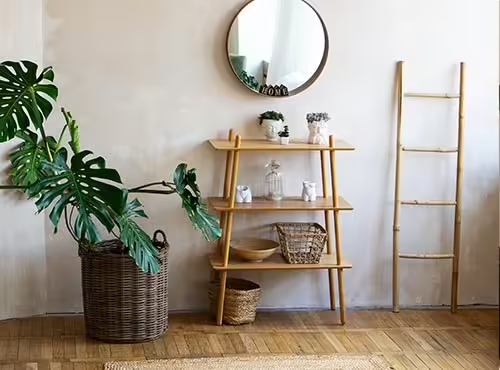
Wood edge banding is a finishing technique used to cover the exposed edges of wood panels, combining protection and aesthetics. It is widely applied across furniture manufacturing, interior design, and DIY woodworking projects. Proper edge banding enhances the durability of wood while providing a polished, professional look.
Many people underestimate the importance of edge banding, but even a small strip of material along a panel edge can prevent moisture damage, chipping, and long-term wear. This guide will cover why edge banding matters, the types available, installation methods, material comparisons, and real-world applications.
Why Wood Edge Banding Matters
Protecting Wood from Moisture and Damage
Exposed wood edges are vulnerable to moisture, warping, and accidental chipping. Edge banding seals these areas, helping to maintain structural integrity over time.
Enhancing Visual Appeal
Edge banding creates clean lines and smooth edges, turning a simple panel into a visually cohesive piece. It allows furniture and cabinetry to appear more professional, even in budget-conscious projects.
Improving Longevity and Usability
By protecting edges from everyday wear, scratches, and minor impacts, edge banding extends the life of wood furniture and ensures continued functionality.
Types of Wood Edge Banding
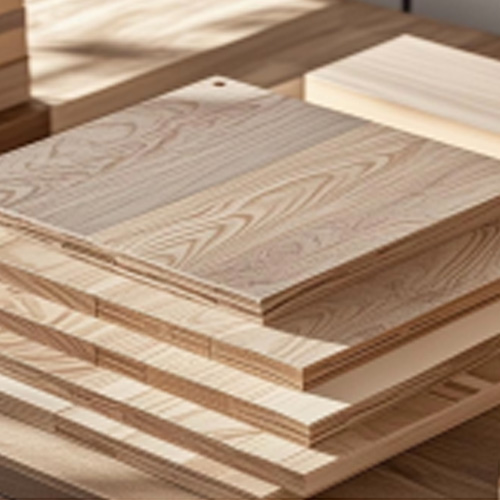
PVC Edge Banding
PVC edge banding is a durable, low-cost material available in numerous colors and patterns. It is ideal for high-volume furniture production or projects where cost efficiency is key.
ABS Edge Banding
ABS is heat-resistant, impact-resistant, and more environmentally friendly than PVC. It is often chosen for kitchen cabinets, children’s furniture, and areas exposed to higher wear and tear.
Wood Veneer Edge Banding
Wood veneer edge banding provides a natural wood aesthetic, making it popular in high-end cabinetry and custom furniture. Its texture and grain offer a premium appearance while still protecting the edges.
Other Materials
- Acrylic Edge Banding delivers a glossy finish suitable for contemporary designs.
- Melamine Edge Banding resists water and chemical exposure, making it suitable for kitchens and bathrooms.
The Wood Edge Banding Process
Step 1: Panel Preparation
Before applying edge banding, panels should be cut precisely and cleaned. Dust or debris can prevent proper adhesion, leading to bubbling or peeling over time.
Step 2: Adhesive Application
Most edge banding materials use heat-activated glue or specialized adhesive. The choice of adhesive depends on the material and whether the application is manual or machine-assisted.
Step 3: Edge Banding Application
Manual application is suitable for small DIY projects, allowing careful placement on curves and corners. For industrial-scale production, an edge banding machine ensures speed, precision, and consistent quality.
Step 4: Trimming and Finishing
After applying the banding, excess material is trimmed and edges are sanded smooth. This final step ensures a seamless finish and professional appearance.
Comparing Edge Banding Materials: A Parameterized Approach
To help users make informed choices, here’s a comparison of key material parameters:
| Material | Durability | Flexibility | Appearance | Heat Resistance | Cost | Ideal Application |
|---|---|---|---|---|---|---|
| PVC | High | High | Wide range | Medium | Low | Budget furniture, general cabinetry |
| ABS | High | Medium | Limited | High | Medium | Kitchens, children’s furniture |
| Wood Veneer | Medium | Low | Natural wood grain | Low | High | High-end cabinetry, premium furniture |
| Acrylic | Medium | Medium | Glossy modern | Medium | Medium | Modern furniture, decorative panels |
| Melamine | Medium | Low | Matte finish | High | Low | Kitchens, bathrooms, wet areas |
This table highlights the differences in performance and appearance, guiding the selection of the most appropriate edge banding for specific applications.
Real-World Examples of Wood Edge Banding
Case 1: Custom Kitchen Cabinets
A small kitchen remodel in London used ABS edge banding for cabinets. The material was chosen for its heat resistance and durability, protecting surfaces near the sink and stove.
Case 2: Office Furniture Production
An office furniture manufacturer in Germany applied PVC edge banding to 500 desks for consistent aesthetic appeal and cost efficiency. The use of a semi-automatic edge banding machine reduced labor time by 60%.
Case 3: DIY Home Project
A DIY enthusiast applied wood veneer edge banding to custom shelving in their living room. The natural wood grain matched the furniture style, providing a high-end look on a budget-friendly project.
These examples show how material selection and application methods can be tailored to both professional and DIY projects.
Wood Edge Banding Machine
What It Does
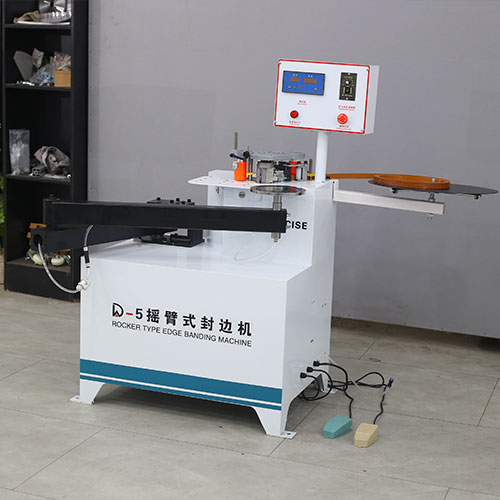
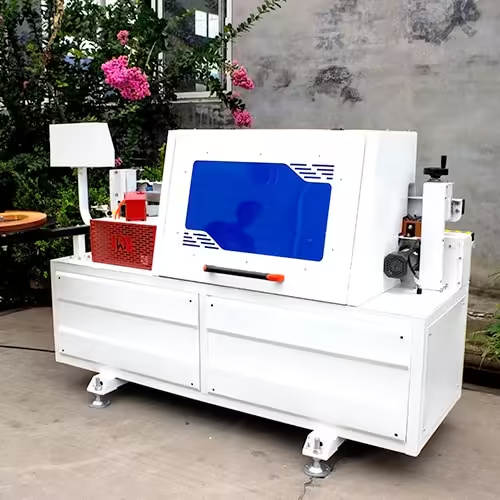
Edge banding machines automate the application of banding material, trimming, and finishing in a single workflow.
Benefits
Machines ensure uniform adhesion, save time, and reduce errors. They are essential for large-scale production while also suitable for professional workshops.
Types of Machines
- Semi-Automatic: Ideal for medium-scale workshops and custom projects.
- Fully Automatic: Best for high-volume, industrial production lines.
Maintenance and Care
Regular Cleaning
A soft cloth and mild detergent remove dirt and stains without damaging the surface.
Avoiding Sunlight and Heat
Direct exposure can warp or discolor banding, especially PVC and wood veneer.
Periodic Inspections
Check edges for peeling or damage. Timely touch-ups can prevent long-term deterioration.
Industry Applications for Wood Edge Banding
Furniture Manufacturing
Cabinets, desks, chairs, and shelves benefit from edge protection and polished aesthetics.
Interior Design and Construction
Wall panels, decorative partitions, and door frames are finished with edge banding for professional, clean lines.
Kitchen and Bathroom
Resistant materials like ABS and Melamine protect high-humidity environments, extending the life of cabinetry and countertops.
Office Furniture
Desks, tables, and storage units require durable edges to withstand daily use and maintain appearance.
Educational and Public Facilities
School desks, library shelving, and public seating gain durability and safety with protective edge banding.
DIY Projects
Home craftsmen and hobbyists enhance small-scale projects with both aesthetic and protective benefits.
Conclusion
Wood edge banding is essential for protecting wood panels, improving visual appeal, and extending furniture lifespan. Choosing the right material—PVC, ABS, wood veneer, acrylic, or melamine—depends on durability, aesthetics, and application environment. Edge banding machines enhance productivity and consistency in professional settings.
Need specific advice for your project? Contact our engineers today to find the perfect solution for your wood edge banding needs.
FAQ
What is the difference between PVC and ABS edge banding?
PVC is flexible and cost-effective, while ABS offers better heat resistance and is eco-friendlier.
Can I apply edge banding to curved surfaces?
Yes. Both manual techniques and specialized machines can handle curves when done correctly.
How long does edge banding last?
With proper installation and maintenance, edge banding can last for many years.
Is wood veneer better than PVC?
It depends. Wood veneer provides a premium, natural look, while PVC is cost-effective and highly durable.
Do I need a machine for DIY projects?
For small projects, manual application is sufficient, but machines improve consistency and speed for larger work.
How do I maintain wood edge banding?
Regular cleaning with a soft cloth, avoiding direct sunlight, and inspecting for damage helps maintain its longevity.