
Industry News
Roll Conveyor: Optimizing Woodworking Material Handling
In modern woodworking workshops, a roll conveyor plays a crucial role in material handling. By utilizing freely rotating rollers, it allows wood panels, boards, and semi-finished furniture parts to move smoothly, reducing manual labor and improving workflow efficiency. This guide explores everything from the basics, types, applications, and selection tips to maintenance and frequently asked questions.
Table of Contents
What is a Roll Conveyor?
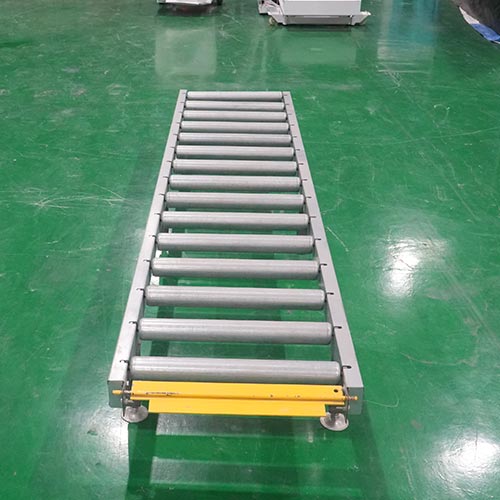
Understanding Gravity and Unpowered Roll Conveyors
A roll conveyor, also known as a gravity roller conveyor, moves items without relying on external power. Items glide along freely rotating rollers, either by gravity or a gentle push. This system is ideal for short-distance transfers and height changes in woodworking operations.
Core Components of a Roll Conveyor
Rollers
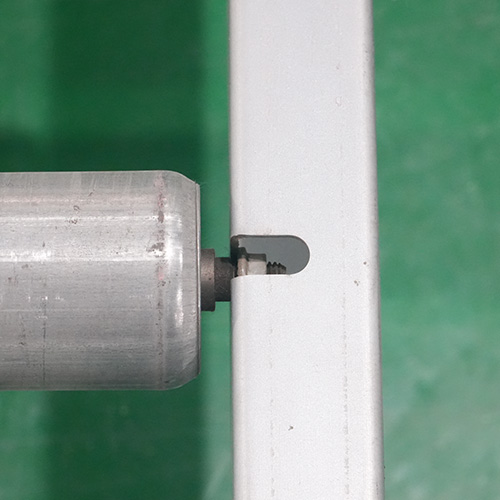
Rollers are cylindrical components that support and transport materials. They rotate freely to allow smooth movement, and the spacing between rollers is designed to accommodate various wood sizes.
Conveyor Frame
The frame supports the rollers and ensures stability and alignment. Strong materials like steel or aluminum provide long-lasting durability.
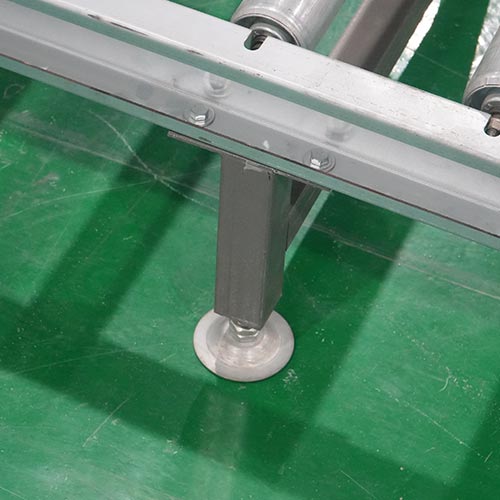
Support Legs and Height Adjustments
Support legs maintain conveyor height and can be adjusted to match workbenches or production lines, ensuring ergonomic operation.
End Stops and Guide Rails
End stops prevent materials from sliding off, while guide rails keep items aligned, improving accuracy and safety during transport.
Motor and Drive System (for Powered Conveyors)
Some roll conveyors include motors for long-distance or heavy-load transportation. These systems control speed and reduce manual effort.
Types of Roll Conveyors
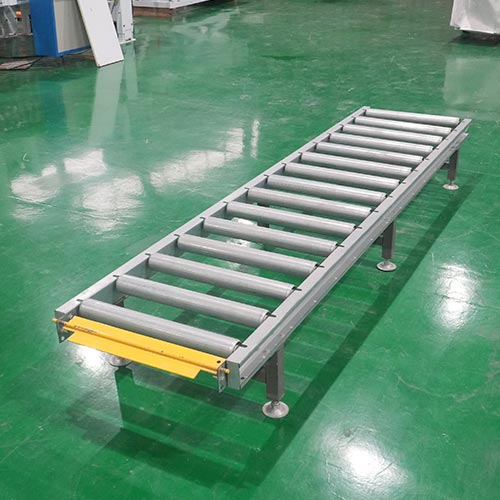
Unpowered (Gravity) Roll Conveyors
Gravity conveyors are simple and cost-effective, relying on slope or manual push. They require minimal maintenance and are ideal for small workshops or short distances.
Powered Roll Conveyors
Powered conveyors use motors to move heavier or longer materials. They are suitable for industrial setups, long production lines, or automated workflows.
Material Variations
- Steel Rollers: High load capacity and durability, ideal for large panels.
- Aluminum Rollers: Lightweight and corrosion-resistant, suitable for mobile or adjustable setups.
- Galvanized Rollers: Resistant to moisture and rust, perfect for humid environments.
Inclined vs Flat Conveyors
- Inclined conveyors allow materials to move between different heights efficiently.
- Flat conveyors maintain smooth transport over horizontal surfaces, ideal for assembly lines.
Benefits of Using a Roll Conveyor in Woodworking
Improved Efficiency
By automating the movement of boards, panels, and semi-finished components, this type of conveyor significantly reduces the need for manual labor. Workflows become smoother and more streamlined, allowing production lines to operate more consistently. In addition, automating material transport minimizes bottlenecks, accelerates task completion, and ensures that wood pieces reach the next stage of processing on time.
Flexibility for Different Materials
These conveyors are designed to handle a wide range of sizes, weights, and types of wood. From medium-density fiberboard (MDF) to plywood and partially assembled furniture parts, the system accommodates different material profiles without slowing down production. Adjustable rollers or modular layouts can further enhance adaptability, making it easier to integrate the equipment into various woodworking environments.
Safety and Damage Reduction
Incorporating such a conveyor reduces the likelihood of handling errors and minimizes the risk of dropped or damaged materials. Workers are less exposed to heavy lifting and repetitive strain, which prevents potential injuries and promotes a safer working environment. This not only protects personnel but also safeguards valuable wood panels, reducing waste and maintaining product quality.
Low Maintenance
Gravity-based models are particularly simple and durable, requiring minimal attention and upkeep. Even in industrial setups, the absence of complex drive systems reduces the chances of mechanical failure. Powered units often feature modular components, allowing easy access for inspection, repair, or replacement. Regular cleaning and periodic lubrication ensure smooth operation and prolong the system’s lifespan.
How to Choose the Right Roll Conveyor
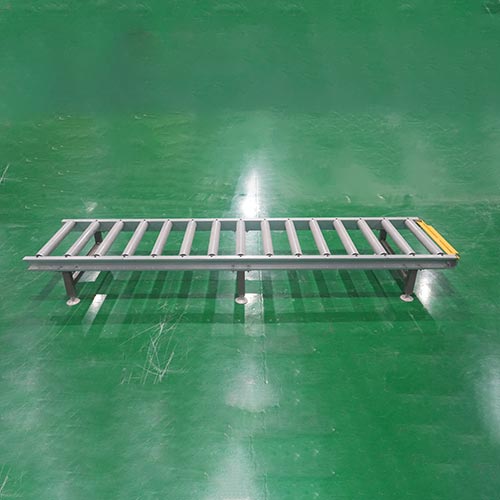
Type Selection
Selecting the proper system depends on material weight, the distance items need to travel, and workflow demands. Gravity-driven setups are ideal for short distances or light loads, while motorized versions are better suited for heavier materials or longer transport runs. Understanding the specific needs of your production process is critical to making an informed decision.
Roller Material
The construction of the rollers greatly influences performance. Steel rollers provide high load capacity and durability, aluminum rollers are lightweight and corrosion-resistant, and galvanized rollers offer added protection in humid or industrial environments. The choice of material should align with both the types of wood being handled and the workshop conditions.
Load Capacity and Length
It is important to match the system’s specifications with the size and weight of the panels commonly processed in your shop. Equally critical is ensuring that the length accommodates your workflow layout, allowing boards to move smoothly from one station to the next without manual intervention.
Height and Angle Adjustments
Adjustable height and tilt are essential features for maintaining ergonomic operation. By aligning the conveyor with workbenches or assembly lines, workers can handle materials comfortably, reducing fatigue and the risk of injury. Adjustable systems also allow for easy integration into multi-level or inclined setups.
Budget Considerations
When evaluating costs, consider the balance between initial investment, expected longevity, and efficiency gains. Lightweight, gravity-driven options tend to be more affordable, while powered or modular systems may require a higher upfront cost but offer greater throughput and flexibility in the long run.
Comparison of Roll Conveyor Options
Specification Comparison Table
| Feature | Model A | Model B | Model C |
|---|---|---|---|
| Roller Material | Steel | Aluminum | Galvanized Steel |
| Max Load Capacity | 200 kg | 150 kg | 250 kg |
| Length Range | 2–10 m | 1.5–8 m | 3–12 m |
| Incline Angle | 0–5° | 0–3° | 0–7° |
| Price Range | $300–$500 | $250–$400 | $400–$600 |
Conceptual Comparisons
Unpowered vs Powered Conveyors
- Unpowered: Best for short distances, low-cost, easy maintenance.
- Powered: Suitable for long-distance or high-volume transport, speed controllable.
Material Selection
- Steel: High load, durable.
- Aluminum: Lightweight, corrosion-resistant.
- Galvanized: Moisture-resistant, ideal for humid environments.
Workflow Applications
- Short-distance lines or assembly stations favor gravity conveyors.
- Long production lines and heavy-duty operations benefit from powered roll conveyors.
Industry Applications and Regional Usage
Furniture Manufacturing
Efficient Assembly Line Transport
Roll conveyors streamline the movement of wood panels and semi-finished furniture parts along assembly lines. This reduces manual labor, speeds up production, and ensures consistent material flow, which is essential for maintaining product quality in large-scale furniture manufacturing.
Cabinet Workshops
Precision Handling for Repetitive Tasks
In cabinet workshops, panels often require repeated cutting, sanding, and assembly. Roll conveyors allow for smooth, consistent handling of these panels, reducing the risk of damage and maintaining precision during high-volume operations.
Small Workshops and DIY
Compact and User-Friendly Solutions
For small woodworking shops or hobbyists, compact gravity roll conveyors offer easy installation and efficient transport of boards and small components. They provide professional-level workflow improvements without requiring complex infrastructure or high investment.
Regional Considerations
North America
Industrial Scale and Heavy-Duty Conveyors
North American woodworking facilities typically utilize large steel or powered roll conveyors. These are designed for heavy workloads and long assembly lines, supporting high-volume production efficiently.
Europe
Ergonomic and Space-Saving Designs
European workshops often prioritize compact, ergonomic roll conveyors suitable for small to medium-sized operations. Focus is placed on worker comfort, ease of adjustment, and integration with modular production setups.
Asia
Cost-Effective and Durable Solutions
In many Asian mid-sized woodworking operations, roll conveyors are valued for their durability and cost-effectiveness. Lightweight aluminum or galvanized options are popular, balancing affordability with performance for small and medium workshops.
Tips for Using and Maintaining a Roll Conveyor
Proper Incline and Roller Spacing
Ensure the slope is suitable for gravity movement, and rollers are spaced according to the material width to prevent misalignment.
Cleaning and Lubrication
Regularly remove dust and wood debris, and lubricate moving parts to maintain smooth roller rotation.
Inspection and Replacement
Periodically check for worn or loose rollers and replace them to maintain conveyor efficiency and safety.
Conclusion
A roll conveyor is a vital tool for modern woodworking, offering efficiency, safety, and low-maintenance material handling. Understanding the types, materials, load capacities, and workflow applications ensures you select the right conveyor for your workshop. Regular maintenance and proper use guarantee long-lasting, smooth operation, whether in small DIY setups or industrial production lines.
FAQ
What weight and size of wood can a roll conveyor handle?
Roll conveyors can handle a wide range, but always check max load capacity and roller spacing to avoid overloading.
Can a gravity roll conveyor be used for inclined surfaces?
Yes, with a proper incline (usually 3–7°) and guide rails, materials can move smoothly between different heights.
What is the difference between powered and unpowered conveyors?
Powered conveyors use motors for long-distance or heavy loads, while gravity conveyors rely on slope or manual push for short-distance transport.
How do I choose the right conveyor for my workshop?
Consider material weight, panel size, distance, and available space, and choose a roller material that matches your durability needs.
Are roll conveyors suitable for small DIY workshops?
Yes, compact gravity conveyors improve workflow and reduce manual handling, even for small-scale woodworking.
How often should I maintain or inspect my roll conveyor?
Inspect rollers and frames monthly for small workshops, or weekly in high-volume industrial lines, and clean debris regularly.
Does roller material affect wood handling?
Yes, steel handles heavy panels well, aluminum is lighter for easy adjustments, and galvanized rollers are better for moisture-prone environments.