
Industry News
Saw Table for Beginners: Is a Saw Table Necessary for Beginners?
Table of Contents
saw table for beginners — deciding whether to buy a table saw is one of the earliest practical choices a new woodworker faces. This article offers a clear decision framework: safety essentials, realistic alternatives, buying priorities, starter projects and a practical roadmap for skill growth. Read this before you commit budget or shop space.
What a table saw does and why it matters
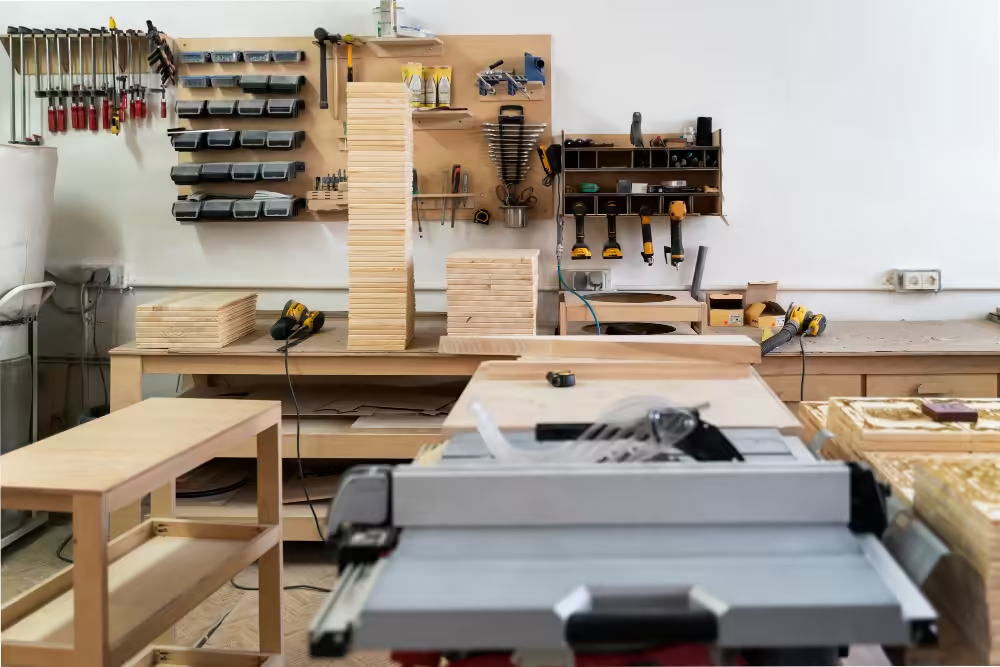
A table saw speeds and standardizes three core operations: ripping long stock, producing repeatable edges for joinery, and cutting grooves or dados accurately. For shops that need repeatable precision, a table saw reduces hours and improves assembly fit. If your workflow moves from one-off repairs to repeated casework, a saw table becomes a productivity linchpin.
When evaluating tools, remember the difference between a saw table for beginners and alternatives like a track saw or miter saw: the saw table excels at repeatability and throughput.
Safety and early training
Table saw safety is the number one priority. Use guards, a riving knife, push sticks and proper PPE each session. Beginners who follow a structured safety curriculum learn to set fences squarely, adjust blade height for minimal exposure, and adopt push-through techniques that reduce risk. Local woodworking classes and reputable online primers provide stepwise drills that build competence safely.
Treat any saw table for beginners purchase as an investment in safe capability—budget for training, a good fence, and dust management, not only the machine itself.
Alternatives that work for many projects
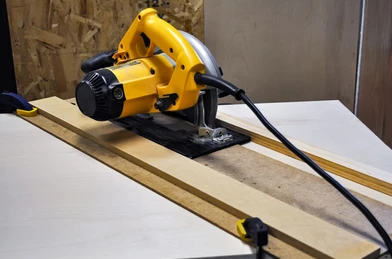
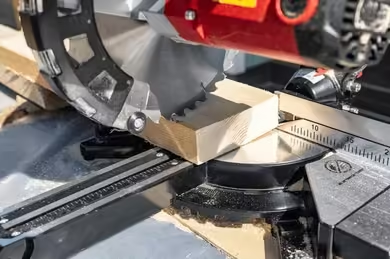
You do not always need a table saw. Track saws, circular saws with straightedges, band saws, and quality miter saws cover much of the work that hobbyists do: crosscuts, trimming, and occasional panel work. If your projects are occasional furniture repairs, simple shelving, or small craft builds, these tools keep cost and footprint low while you learn joinery fundamentals.
For many makers, a saw table for beginners is a future upgrade rather than the first purchase; start with a track saw or miter saw and master accurate measurement and jig work first.
When a table saw becomes necessary
A table saw is clearly justified when: you frequently rip sheet goods, you need many identical parts, or you make casework requiring tight tolerances. Commercial shops, cabinetmakers and serious hobbyists who build multiple projects annually find the cost of a table saw repaid in speed and reduced waste.
In those environments, the saw table for beginners transitions from a convenience to a core production tool.
Selecting the right first saw
Prioritize table flatness, a dependable fence system, accurate blade alignment and sufficient motor power. Portable contractor saws are budget-friendly and mobile; hybrid or cabinet saws deliver better dust handling and long service life. Test fences for lockup, check manufacturer support and examine accessory ecosystems before committing.
Consider whether your saw table for beginners will live on a mobile stand or a fixed cabinet — this impacts dust control, stability and maintenance access.
Accessories that extend usefulness
A crosscut sled, zero-clearance inserts, featherboards and outfeed support turn one saw into multiple machines. Learning to make and use jigs safely multiplies the value of the machine and reduces the learning curve.
Even with a saw table for beginners, investing time in jig making is one of the highest-return activities for a beginner.
Shop layout and dust management
Before buying, map infeed and outfeed clearances for long stock. A saw cramped against walls becomes a hazard. Effective dust collection—whether via a shop vacuum or a dedicated collector—protects health and reduces cleanup time, encouraging regular use.
Training pathways
Hands-on mentorship shortens the path to safe, productive usage. Makerspaces, community colleges and woodworking clubs offer supervised time and structured projects that build confidence faster than solo experimentation.
Practical decision checklist
Ask: Will I rip boards or sheet goods regularly? Do I require repeatable, square parts? Am I ready to invest in safety and dust control? If you answer yes to two of these, a table saw is likely a high-value tool for your shop.
Use the checklist to time your saw table for beginners purchase rather than buying on impulse.
Starter projects that validate the purchase
Begin with manageable projects that train a single skill: a simple case or box to practice ripping and crosscutting, a small table to refine joinery, or a plywood cabinet door to learn sheet workflows. Each successful project builds safe habits.
Maintenance and long-term value
Regular maintenance ensures the saw remains accurate and safe. Clean sawdust from mechanisms, check belt tension and periodically verify fence alignment. Replacement blades and inserts are cheap compared to restoring a warped table or a poor fence. This ongoing care is part of ownership cost and should factor into your budget and tool selection.
Think long term: if you plan regular shop use, the saw table for beginners will be judged not only by its purchase price but by maintenance needs and available upgrades. For many hobbyists, the decision to buy a saw table for beginners is the start of a deliberate upgrade path—better fence, improved dust control, and a stable outfeed table that increases repeatability.
Conclusion
A saw table for beginners becomes essential as your work shifts from occasional fixes to repeatable production. Start with alternatives if budget or space constrain you, prioritize training and safety, and choose a model that supports upgrades. The right saw, paired with the right jigs and habits, pays dividends in accuracy and time saved.
If you want to learn more about the saw table, please click here.