
Uncategorized
Small Woodworking Workshop Setup: How to Build an Efficient Space Around a Saw Table
Table of Contents
small woodworking workshop setup should be planned with intent: compact footprint, efficient material flow, and a priority on safety around the saw table that will act as the production hub.
Planning your small woodworking workshop setup
Start with a site survey. Measure usable floor area, ceiling height and locations of power and ventilation. A plan reduces rework and helps you choose a saw table model that fits the space and expected throughput. Consider clearances for ripping, crosscutting and panel handling when you locate the saw table.
Key layout principles for a small woodworking workshop setup
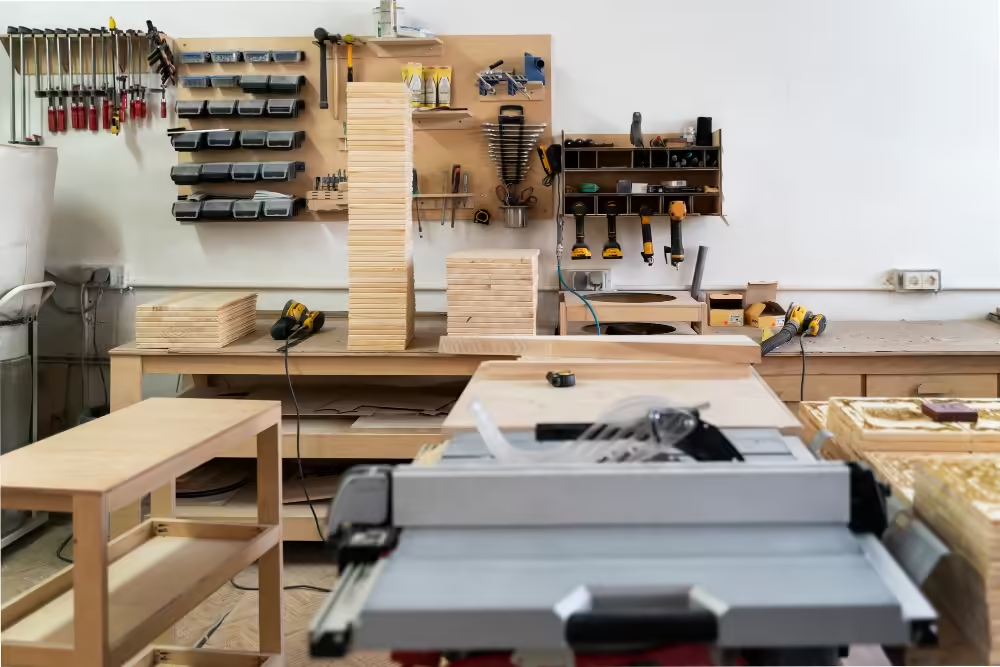
Keep primary flow linear: stock in → cutting at the saw table → assembly → finishing. This minimizes unnecessary handling and reduces bottlenecks. Allow elbow room at the saw table for outfeed and crosscut operations, and create a defined path for material carts to avoid collisions.
Choosing the right saw table for the workshop
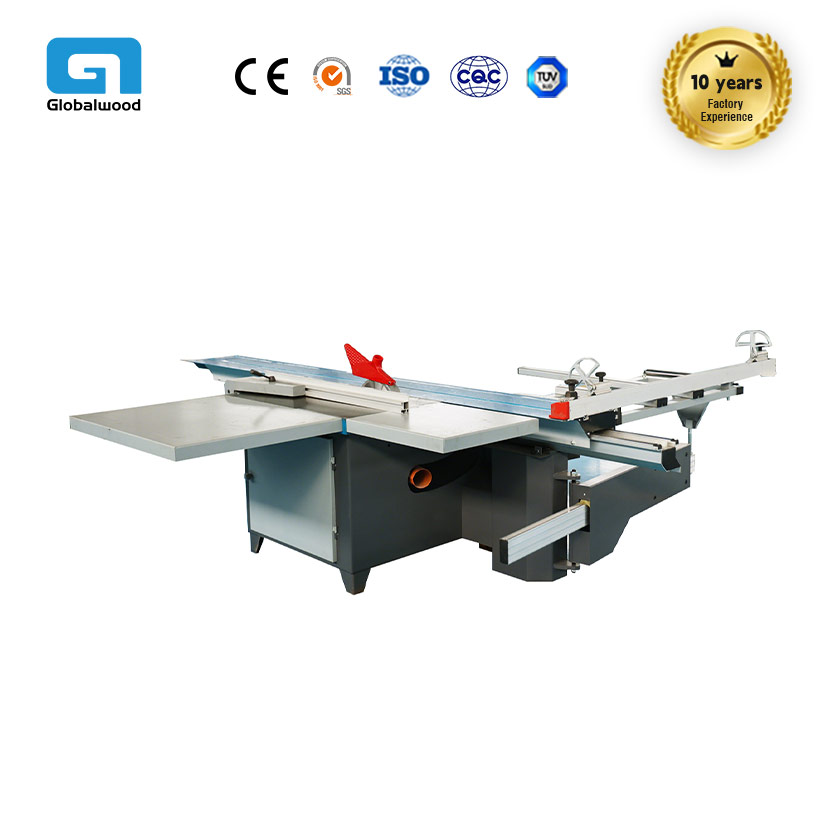
A good saw table balances table size, fence quality, motor power and dust port location. Table saw geometry and fence repeatability directly affect cut accuracy and productivity in a small woodworking workshop setup. If you plan to process large panels, prioritize an outfeed system and crosscut sled compatibility.
Essential tooling and accessory checklist
| Tool / accessory | Why it matters |
|---|---|
| Saw table (table saw) | Central cutting station; accuracy and safety are critical |
| Outfeed support / roller stand | Prevents panel sag and kickback during long cuts |
| Crosscut sled and miter gauge | Improve repeatability for precision joinery |
| Dedicated dust collector | Captures chips at source to protect health and machinery |
| Push sticks, featherboards, riving knife | Required for safe operation at the saw table |
Dust control and air quality for a small woodworking workshop setup
Capture sawdust at the source. A dedicated dust collector with a sealed hood at the saw table reduces airborne particles and keeps the floor clear. For small shops, a moderate CFM dust collector combined with a shop-vac for ancillary tools can be effective. Ensure duct runs are short and avoid sharp turns that increase pressure loss.
Electrical, lighting and ventilation considerations
Locate dedicated circuits for the saw table and larger stationary machines to prevent breaker trips. Use layered lighting: bright task lighting at the saw table, plus ambient illumination for assembly areas. Ventilation should provide fresh air and, where possible, exhaust for fine dust — mechanical ventilation helps when windows are not an option.
Workflow, jigs and repeatability in a small woodworking workshop setup
Design common jigs — stop blocks, sleds and dedicated fixtures — to reduce set-up time at the saw table. Organize tooling so operators can perform frequent tasks without moving far from the machine. Consistent jig use raises throughput and reduces waste.
Ergonomics and human factors
Work surface height and the position of the saw table should match the primary operator’s stature to reduce fatigue. Plan for safe lifting zones and use roller supports for long stock. Anti-fatigue mats near the saw table improve comfort during extended sessions.
Storage and material handling
Stock storage near the entry of the shop reduces internal transport. Panel racks placed parallel to the saw table simplify feeding. Small shops benefit from mobile carts that deliver staged workpieces to and from the saw table without crowding the floor.
Maintenance, safety checks and consumables
Daily checks at the saw table include blade condition, fence alignment, riving knife integrity and dust port sealing. Track blade hours, alignments and dust bag changes; preventative maintenance keeps cuts accurate and reduces unplanned downtime.
Scaling and future upgrades for the small woodworking workshop setup
Plan routes for future ducting, extra circuits and a larger outfeed if throughput increases. When selecting the saw table initially, consider modular upgrade paths such as add-on fences, larger motors or table extensions to future-proof the shop.
Conclusion
A deliberate small woodworking workshop setup centered on a well-specified saw table combines safety, efficiency and accuracy. By focusing on flow, dust control, ergonomic layout and maintenance discipline, a compact shop can deliver professional results while minimizing footprint and cost.
If you would like to learn more about Small Woodworking Workshop Setup solutions, please click here.