
Industry News
How Woodworking Cutting Precision Influences Material Waste and Project Costs
Table of Contents
Woodworking projects often succeed or fail long before the final assembly stage. Decisions made during the cutting process influence how materials behave how components fit together and how much time is ultimately spent correcting errors. Among these early decisions woodworking cutting precision plays a foundational role in determining both efficiency and overall cost control.
In professional workshops and small studios alike inaccurate cuts rarely stay isolated. A single deviation can affect multiple components leading to wasted materials repeated labor and inconsistent results. Understanding how precision impacts material usage and budgeting allows woodworkers to approach projects with greater confidence and predictability.
Why Woodworking Cutting Precision Matters at the Start of a Project
At the beginning of any woodworking task accuracy establishes the baseline for everything that follows. When woodworking cutting precision is achieved from the first cut measurements remain consistent and components align as intended throughout the build.
In contrast early inaccuracies tend to compound over time. Misaligned edges require trimming adjustments or replacement parts which increases material waste in woodworking. Precision at this stage is not about perfection but about maintaining reliable reference points that reduce unnecessary corrections later in the process.
Precision and Material Waste in Woodworking
Material waste in woodworking often results from small avoidable errors rather than major mistakes. Slight variations in width angle or length can make a piece unusable especially when working with pre measured panels or hardwood boards.
When woodworking cutting precision is maintained materials are used as planned. Boards are cut to size without excess trimming and offcuts are minimized. Over multiple projects this consistency significantly reduces scrap accumulation and improves overall material utilization without requiring additional resources.
How Precision Influences Woodworking Project Costs

Woodworking project costs extend beyond the price of raw materials. Labor time machine usage and rework all contribute to the final expense of a project. Maintaining woodworking cutting precision helps stabilize these variables.
Accurate cuts reduce the need for repeated measurements and corrections allowing work to progress smoothly. Fewer errors mean fewer replacement materials and less downtime. Over time workshops that prioritize precision experience more predictable cost structures and improved project planning.
Cutting Accuracy and Efficiency in Daily Workflow
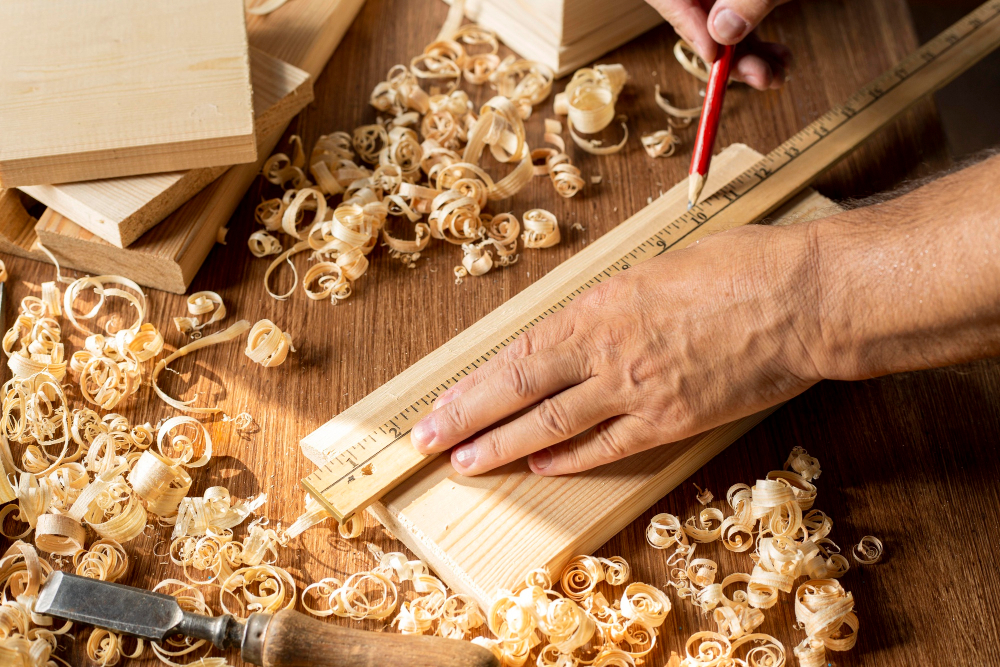
Cutting accuracy and efficiency are closely connected. Precise cuts allow tasks to flow naturally from one step to the next without interruption. When woodworking cutting precision is consistent operators spend less time verifying dimensions and more time advancing the build.
Efficiency improves not through speed alone but through reliability. Accurate cutting reduces hesitation and rechecking which are common sources of delay. A stable workflow built on precision supports higher output without compromising quality.
Precision Across Different Materials and Applications
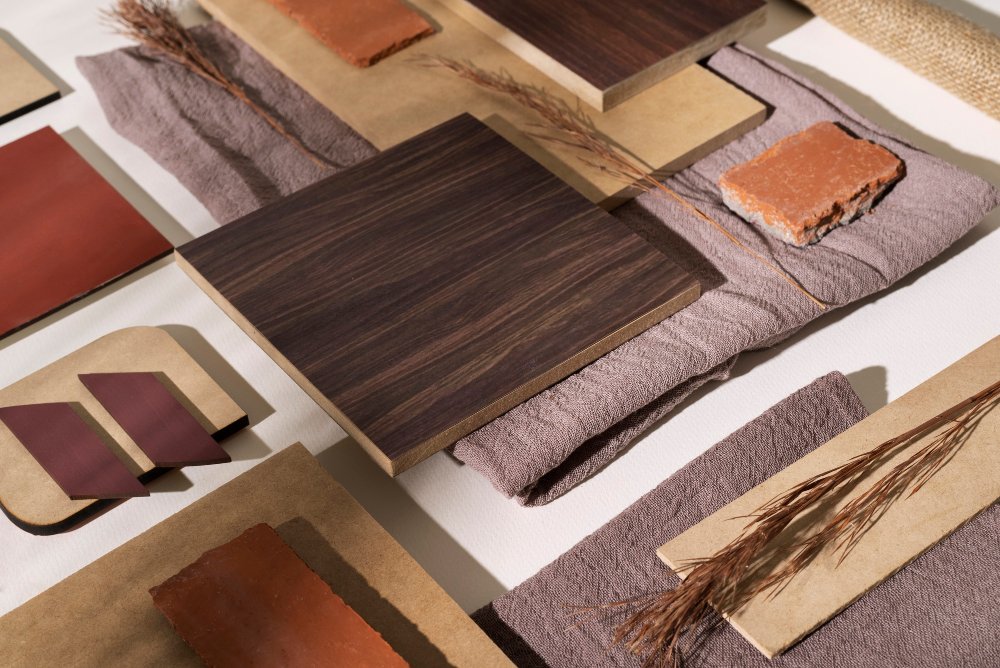
Different materials respond differently to cutting forces. Softwoods hardwoods and composite panels each present unique challenges. Maintaining woodworking cutting precision ensures that adjustments are intentional rather than reactive.
When precision is controlled woodworkers can switch between materials with confidence. Consistent results across varied applications reduce learning curves and prevent material specific errors that contribute to waste and rising woodworking project costs.
Long Term Cost Control Through Precision
Over the long term woodworking cutting precision becomes a strategic advantage. Workshops that emphasize accurate cutting experience lower material loss steadier labor demands and fewer project overruns.
Precision also supports scalability. As workloads increase consistent cutting standards help maintain quality without proportional increases in waste or expense. This balance is critical for sustainable operations regardless of project size or frequency.
Conclusion
Precision is not a single action but an ongoing discipline within woodworking. By focusing on woodworking cutting precision from the earliest stages woodworkers can reduce material waste in woodworking control woodworking project costs and improve cutting accuracy and efficiency throughout the workflow.
Rather than reacting to errors after they occur precision allows problems to be avoided entirely. This proactive approach supports better planning stronger results and more reliable outcomes across every woodworking project.