
Industry News
Precision CNC Cutting Machine: A Game Changer for Custom Furniture
The furniture manufacturing industry has experienced significant changes in recent years, largely driven by automation and advanced technology. Today, automated systems are reshaping how furniture is produced, from design to final assembly. One of the most impactful innovations is the introduction of Precision CNC Cutting Machines for woodworking, which are transforming how custom furniture is created. These machines offer unparalleled precision, speed, and flexibility, making them essential for modern manufacturing processes, especially when it comes to crafting pieces like cabinets and bookshelves.
Table of Contents
The Rise of Automation in Furniture Manufacturing
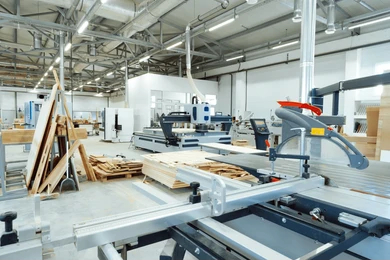
Automation has revolutionized many industries, and furniture manufacturing is no exception. For years, traditional furniture production relied on manual labor, which often led to inconsistencies in product quality and long production times. Today, automation systems are replacing many of these manual tasks, ensuring faster production, higher consistency, and better precision.
In modern furniture manufacturing, automation is used across various stages, from material handling to cutting and finishing. For example, automated cutting machines and robotic arms now handle repetitive tasks like cutting wood, sanding, and even assembling furniture. These automated processes ensure that each piece of furniture is made with uniformity, which is essential when producing large quantities of items like tables, chairs, and cabinets.
Precision CNC Cutting Machine: A Game Changer for Custom Furniture
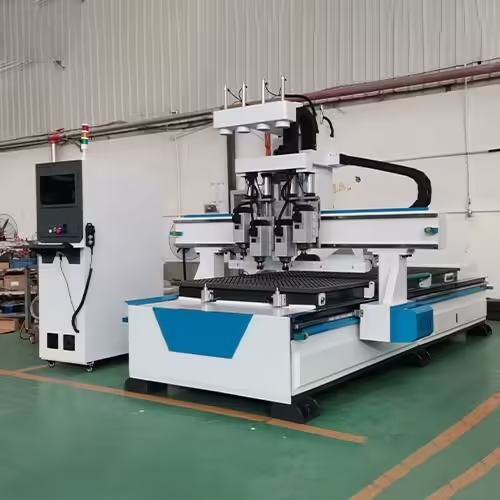
Among the most significant advances in furniture manufacturing is the use of Precision CNC Cutting Machines. These machines are designed to precisely cut and shape wood, metal, or plastic components based on a digital design file. The introduction of CNC (Computer Numerical Control) technology allows manufacturers to create intricate designs with a level of precision that was previously impossible with manual cutting methods.
CNC cutting machines offer numerous advantages over traditional cutting methods. First, they significantly reduce the potential for human error, which is particularly important when working on custom furniture like cabinets and bookshelves. A small mistake in cutting can lead to the entire piece being unusable, but with CNC machines, the cuts are consistently accurate, reducing material waste.
Another advantage of CNC machines is their ability to handle complex designs. Custom furniture pieces often require detailed cuts that can be difficult to achieve manually. Whether it’s intricate carvings for a custom cabinet or precise angles for a bookshelf, CNC cutting machines excel at these tasks. The machines follow the exact specifications programmed into their system, ensuring that the final product is a perfect match to the designer’s vision.
Streamlining the Production Process
The integration of CNC cutting machines into the furniture manufacturing process has significantly streamlined production. With traditional methods, cutting and shaping wood often involved multiple steps and required a great deal of manual labor. CNC machines, on the other hand, can perform these tasks in one continuous process, from cutting to shaping to finishing, all with a single piece of equipment.

In addition to speed and efficiency, automation in furniture manufacturing also reduces costs. By replacing manual labor with automated machinery, manufacturers can lower production costs and pass those savings on to customers. Furthermore, automation minimizes the risks of errors, ensuring that the quality of the product remains high throughout the entire manufacturing process.
For example, custom furniture like wardrobes, kitchen cabinets, or even bespoke coffee tables can be produced with far less human intervention. Once the design is finalized, the CNC machine can execute the cutting, drilling, and shaping of materials precisely as instructed, speeding up the production timeline and reducing waste.
Benefits of Automation for Furniture Quality
Beyond efficiency, automation plays a crucial role in maintaining the quality of furniture. Consistency is key in furniture manufacturing, especially when producing large quantities of products. Automated systems, such as CNC cutting machines, provide high levels of consistency in each stage of production, ensuring that every piece meets the same high standards.
For custom pieces, such as a tailored bookshelf or a designer cabinet, maintaining quality throughout the production process is essential. Any deviation in measurements or cuts can lead to uneven surfaces, gaps, or misalignment. CNC machines eliminate these inconsistencies, ensuring that custom pieces are as precise and well-crafted as the designer intends.
Moreover, the use of automation also contributes to durability. Furniture made through automated processes tends to be more robust and stable. This is especially important for larger pieces, such as cabinets or sideboards, where structural integrity is vital.
The Flexibility of Automation in Custom Furniture Design
As consumers increasingly demand personalized, one-of-a-kind furniture, automation has become a crucial tool in the customization process. Unlike mass-produced furniture, custom furniture allows consumers to choose materials, colors, shapes, and finishes that fit their specific needs and tastes. Automation, particularly through Precision CNC Cutting Machines, makes it possible to manufacture these bespoke designs with precision and efficiency.
Automation systems also make it easier to scale production. Whether you need one piece of furniture or a hundred, automated systems can adjust to the required volume without compromising on quality. For instance, a small batch of custom cabinets can be produced with the same level of accuracy and detail as a large-scale production run.
By incorporating automation into the design process, furniture manufacturers can quickly respond to changing trends and customer preferences. Customization no longer requires lengthy lead times or expensive handcrafting techniques. Automated systems can achieve the same level of craftsmanship with much faster turnaround times.
Reducing Waste and Increasing Sustainability
In addition to efficiency and precision, automation in furniture manufacturing is also contributing to sustainability efforts. Traditional furniture production often leads to significant material waste, as inaccurate cuts and overproduction of parts are common. CNC cutting machines, however, are designed to optimize material usage, reducing the amount of scrap wood and other materials.
his reduction in waste not only lowers production costs but also helps manufacturers adopt more eco-friendly practices. Many furniture manufacturers are now able to recycle materials more effectively, further contributing to sustainability. Additionally, automated systems can be programmed to work with more sustainable materials, such as reclaimed wood or low-impact finishes, ensuring that the production process aligns with eco-conscious values.
Looking Toward the Future of Furniture Manufacturing
As technology continues to evolve, the future of furniture manufacturing looks promising. With advances in automation, including the use of Precision CNC Cutting Machines, manufacturers can expect even more efficient, precise, and sustainable production methods. Furthermore, the integration of artificial intelligence (AI) and machine learning could help refine production processes, predict maintenance needs, and optimize manufacturing schedules.
For custom furniture, automation will continue to provide consumers with more personalized options, quicker production times, and lower prices. Whether it’s a custom-built cabinet or an intricately designed bookshelf, automation allows for precision and creativity to coexist in a way that wasn’t possible before.
Conclusion
The role of automation in modern furniture manufacturing cannot be overstated. From reducing production times to ensuring precision and consistency, automation has transformed the industry, especially for custom furniture production. By integrating Precision CNC Cutting Machines, manufacturers are able to create high-quality, tailored pieces with remarkable accuracy and efficiency. As technology advances, automation will continue to play a pivotal role in the future of furniture manufacturing, driving innovation, sustainability, and quality in ways we can only begin to imagine.