
Industry News
Wood grooving Machine — The Complete Beginner’s Guide
Table of Contents
A wood grooving machine is a specialized piece of woodworking equipment engineered to create accurate grooves, slots, and V-cuts in panels, doors, and composite boards. By controlling cutting depth, alignment, and feed precision, it enables consistent joinery and decorative profiling in furniture and architectural components.
Types of Wood grooving Machine
Common models and configurations
- Door Cover Line Grooving Machine
- Wall Panel Grooving Machine
- JY-680S Automatic Tool Change Door and Cabinet Center
- JY-3200 Door Cover Wire Plug-in Sleeve Slotting Machine
- SKC-3800S CNC Door Lock Slotting Machine (Hinge Model)
How Wood grooving Machine operate
Basic mechanics: a robust frame, spindle and cutterhead, feed system and control panel. Depending on the model, feed may be manual, semi-automatic or fully CNC-controlled.
Applications of Wood grooving Machine
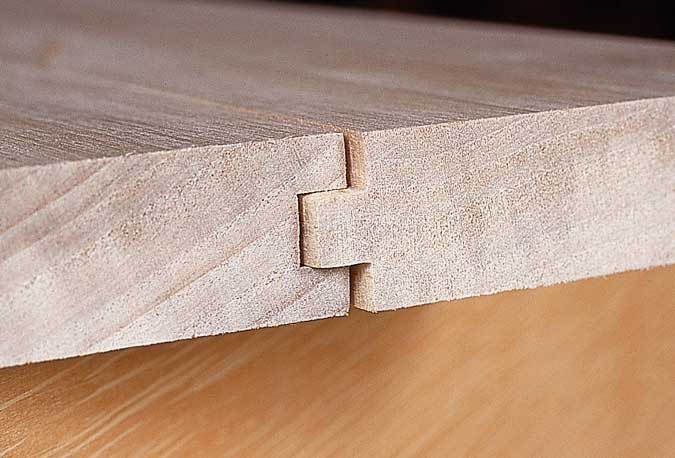
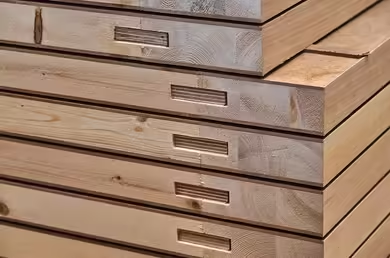
Typical applications include structural grooves for joinery, decorative panel profiling, V-grooving for bendable laminated panels, door lock and hinge pocket slotting, and edge slots for hardware installation. In furniture and door manufacturing, precise grooving ensures that components align correctly during assembly and maintain dimensional stability over time.
For example, V-grooving is commonly used to create foldable architectural panels by partially cutting through composite boards, allowing controlled bending without surface cracking. In door production, hinge and lock slotting requires strict dimensional tolerances to guarantee proper hardware fit and long-term durability.
When properly calibrated, the equipment maintains consistent groove depth and width across continuous production runs. This consistency reduces material waste, prevents rework, and improves downstream assembly efficiency. Over time, stable cutting performance contributes directly to better yield rates and predictable production scheduling.
Case studies and examples
Example 1: a mid-size cabinet maker replaced manual routing operations with a targeted grooving cell and cut cycle times by nearly half while improving consistency.
Example 2: a door manufacturer integrated a CNC slotting line using high-speed spindle tooling to deliver complex hinge and lock profiles.
How to choose a Wood grooving Machine
Key selection criteria:
- Production volume and takt time
- Material types and panel thickness
- Groove profiles and tolerances required
- Automation level and footprint
- Budget and total cost of ownership
Start by listing required groove types and daily throughput. Map those to machine classes (manual/semi-auto/CNC) and compare feed mechanisms, cutter capacity and tool-change flexibility. Confirm spare-parts availability and local after-sales support when total cost matters.
Maintenance and troubleshooting for Wood grooving Machine
Daily checks, cutter sharpening schedule, spindle bearing inspection and control software backups are essential. Address common defects like chipping, tear-out and inaccurate depth by inspecting tool runout and feed consistency.
Safety and operator training
Proper guarding, lockout procedures and PPE are non-negotiable. Certified training and step-by-step SOPs ensure safe, repeatable operation.
Integration into production lines
Modern grooving equipment often interfaces with plant MES and PLC systems, enabling part traceability, tool lifecycle management and automated quality checks. Upstream material handling and downstream finishing should be considered when planning a grooving cell.
Cost of ownership and ROI
Beyond the sticker price, evaluate spare parts availability, tooling costs, expected life of consumables, and training costs. A well-specified machine reduces rework and labor cost—two major drivers of ROI.
Tooling and cutter selection
Cutter geometry, material (solid carbide vs indexable), and coating affect finish quality and tool life. V-groove tasks often require specialized V-profile cutters, while lock and hinge slots use flat-bottom cutters with specific corner radii.
Common quality checks
Measure groove depth, width, and edge radius. Use calipers, optical comparators, or laser scanning for inline inspection. Establish acceptable tolerance bands for each product and log deviations to a central system.
Installation checklist
Before commissioning, confirm the foundation or mounting surface is level and vibration-isolated where necessary. Verify electrical supply matches machine requirements, and confirm compressed air, dust extraction and coolant systems are in place if required. Run a full dry cycle to validate servo paths and homing sequences prior to first tool cut. Document all baseline settings and capture initial ‘golden sample’ parts for future reference.
Operator training and documentation
Provide role-specific training: operators should learn safe setup, basic adjustments and part loading; technicians require deeper knowledge of spindle maintenance, motor tuning and PLC troubleshooting. Keep laminated quick-reference cards at the machine and detailed manuals accessible on a shared drive. Schedule periodic refresher training and maintain a log of who has completed each module.
Dust control and environmental factors
Effective dust extraction protects tooling, electronics and the workforce. Ensure extraction hoods are appropriately sized for the cutter diameter and that airflow meets local regulations. Consider environmental hygrometry for engineered wood products—excess moisture can alter dimensions and affect groove tolerances.
Advanced features to consider
Look for machines with automatic tool changers, inline trimming and multi-spindle options if throughput demands justify complexity. Vision systems for part alignment, barcode readers for job changeover and predictive maintenance sensors can deliver long-term gains in uptime and consistency.
Quality assurance and traceability
Implement batch-level traceability by linking each work order to the machine’s output. Capture inspection results and integrate non-conformance workflows into your quality management system so deviations trigger corrective actions immediately.
Materials compatibility
Evaluate how different substrates—MDF, HDF, plywood, solid wood and composites—react to grooving. Composite materials with resins may require different feed rates and cutter geometries to prevent melt or burning. Conduct test cuts under production conditions before approving a full run.
Troubleshooting checklist
When groove quality degrades, check the following in order: cutter condition (nicks or wear), spindle runout, feed consistency, material flatness, and fixture stability. Replace the cutter if wear is evident; confirm spindle bearings are within tolerance by listening for abnormal noise and measuring runout. Reassess feed rate and spindle speed combination—overfeeding causes chipping while underfeeding may burn the edge. Finally, verify that the workpiece is secured without movement during the cut.
Measurement techniques
For critical parts, use calibrated micrometers or digital depth gauges. For higher throughput, optical measurement systems or laser triangulation sensors provide non-contact inspection and can be integrated inline. Record results and perform SPC analysis to identify trends before parts fall out of tolerance.
Conclusion
Understanding how a Wood grooving Machine functions, the types available, and the criteria for proper selection allows manufacturers to make informed decisions based on production goals rather than assumptions. Whether the requirement involves decorative panel processing, precision door slotting, or high-volume cabinet manufacturing, the right configuration directly influences efficiency, dimensional accuracy, and long-term operating stability.
As woodworking production continues to move toward greater automation and tighter tolerances, grooving technology plays a critical role in maintaining product consistency. By evaluating application needs, tooling compatibility, and integration potential, workshops and industrial facilities alike can implement solutions that support both current demands and future expansion.
Common Questions About Wood grooving Machine
Can a grooving machine handle different panel thicknesses?
Many modern units include adjustable fences and programmable depth stops to handle variable thicknesses within a specified range.
Is CNC necessary for small shops?
CNC brings repeatability but at higher upfront cost. For small shops with varied small-batch work, semi-automatic machines may offer the best ROI.
What materials can a Wood grooving Machine process?
A Wood grooving Machine is typically designed to process solid wood, MDF, HDF, plywood, particleboard, and laminated composite panels. The actual material range depends on spindle power, cutter type, and feed stability. For engineered boards with resin content, proper tooling selection is essential to prevent edge chipping or overheating.
How accurate is a Wood grooving Machine?
Accuracy depends on machine construction, spindle quality, guide systems, and calibration. Industrial-grade equipment can maintain tight tolerances when properly installed and maintained. Regular inspection of cutter wear, feed alignment, and spindle runout helps preserve consistent groove depth and width.
What maintenance does a Wood grooving Machine require?
Routine maintenance includes cleaning dust accumulation, checking cutter sharpness, lubricating moving components, inspecting electrical connections, and verifying calibration settings. Preventive maintenance reduces unexpected downtime and ensures stable long-term performance.
Can a Wood grooving Machine be integrated into automated production lines?
Yes. Many modern systems support integration with conveyor lines, PLC controls, and centralized production management systems. This allows synchronized processing, improved workflow efficiency, and better production traceability in medium to large-scale manufacturing environments.