
Industry News
Common DIY Woodworking Cutting Mistakes and How to Avoid Them
Table of Contents
Understanding DIY Woodworking Cutting Mistakes
When it comes to woodworking, DIY woodworking cutting mistakes are a common issue that can occur whether you are a novice or an experienced woodworker. These mistakes can lead to poor cuts, wasted materials, and a project that doesn’t meet your expectations. It’s essential to understand the common DIY woodworking cutting mistakes and how to avoid them for better precision and efficiency.
In this article, we will dive into the most frequent DIY woodworking cutting mistakes that woodworkers make. We’ll explore the causes, how to avoid them, and share valuable tips to help improve your woodworking skills.
Common woodworking mistakes and how to avoid them
1.Not Using the Right Tools for the Job
One of the most common DIY woodworking cutting mistakes is using the wrong tool for the job. Whether it’s using a jigsaw for straight cuts or a handheld saw for precision work, not having the correct tool can lead to inaccurate results.
Why It’s a Mistake
The wrong tool can result in uneven cuts, damage to the material, and an inefficient workflow. For example, using a jigsaw for straight cuts will create jagged lines, while a hand saw might not provide the accuracy needed for detailed cuts.
Solution
Always use the proper tool for the task. For straight cuts, a table saw or circular saw will work best, while a jigsaw is ideal for curved or intricate cuts. Using the correct tool will provide cleaner, more accurate results, reducing the risk of DIY woodworking cutting mistakes.
2.Poor Measurement and Marking
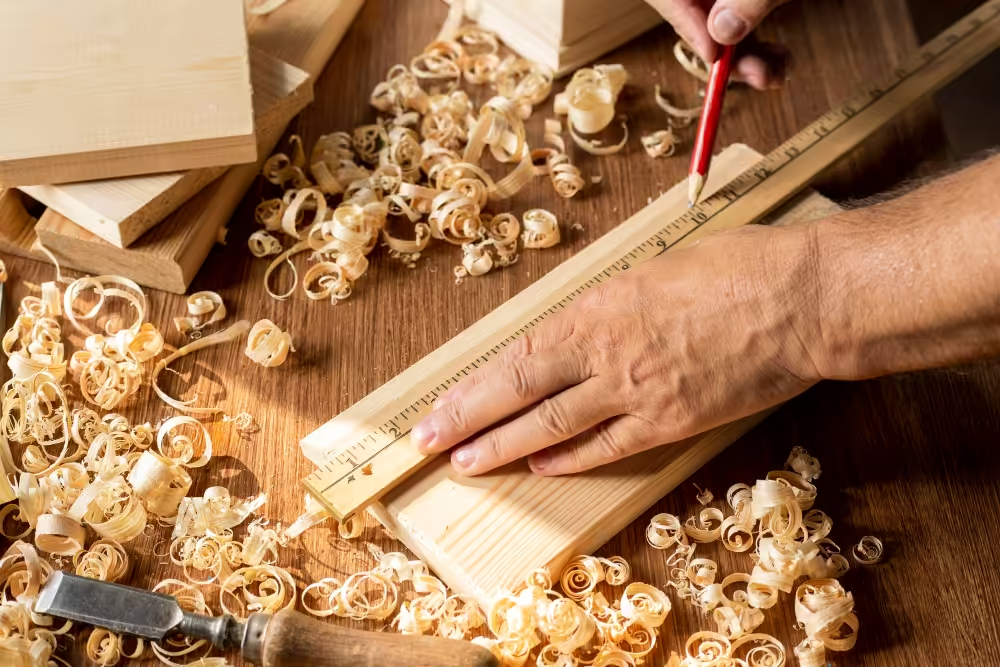
Another significant DIY woodworking cutting mistake is poor measurement and marking. Accurate measurements are crucial to ensure your cuts are precise and your pieces fit together correctly.
Why It’s a Mistake
Mismeasured cuts lead to parts that don’t fit together properly. A small error in measurement can throw off the entire project, causing pieces to be too long, too short, or uneven.
Solution
Take your time measuring. Use a reliable tape measure and carpenter’s square to mark your cuts clearly. Measure twice to ensure that the dimensions are correct, and always mark your cuts carefully to avoid the DIY woodworking cutting mistakes of misalignment.
3.Not Clamping or Securing the Wood Properly
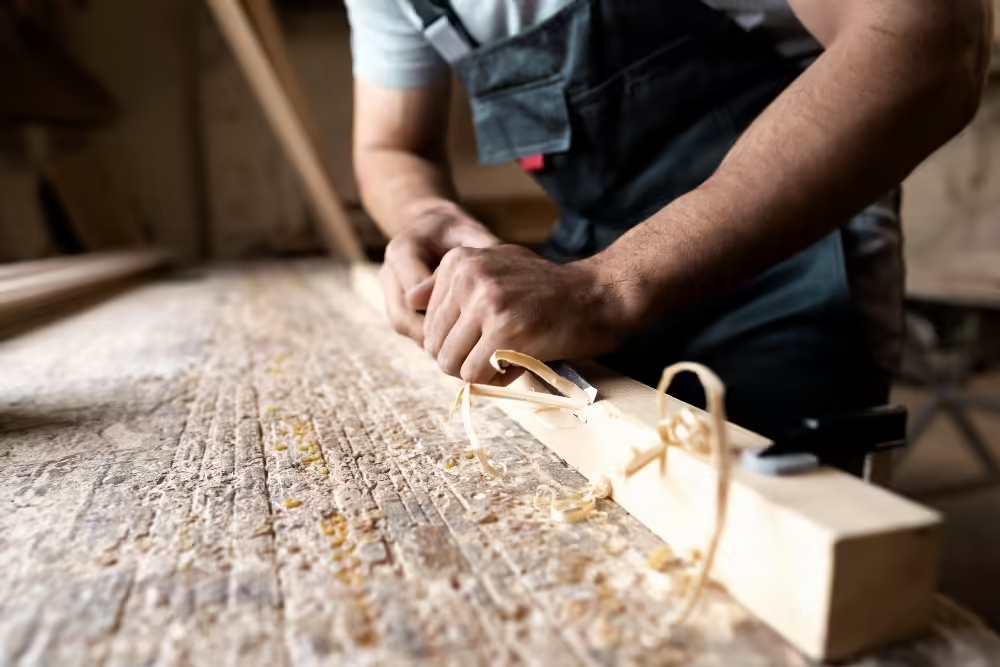
Failing to secure or clamp the wood properly is one of the most overlooked DIY woodworking cutting mistakes. Wood that isn’t securely held in place during cutting can move, causing inaccurate cuts and potential accidents.
Why It’s a Mistake
If the wood shifts during cutting, the saw will veer off track, leading to crooked or uneven cuts. This increases the risk of injury as well as poor-quality work.
Solution
Always clamp the wood securely before making any cuts. Use a workbench, sawhorses, or clamps to hold the material firmly in place, ensuring that the wood stays stable during the cutting process. This simple step can prevent many common DIY woodworking cutting mistakes.
4.Cutting Too Quickly
Rushing through the cutting process is another common DIY woodworking cutting mistake. Although it might seem like a good way to save time, cutting too quickly can result in inaccurate cuts, rough edges, and unsafe handling of tools.
Why It’s a Mistake
Cutting too fast means you lose control of the saw, which can lead to jagged edges, uneven cuts, and potentially dangerous situations. Rushing through cuts also increases the likelihood of making mistakes.
Solution
Take your time with each cut. Let the saw do the work, and focus on maintaining control over the tool. Moving at a steady pace will help produce clean and accurate cuts, reducing the chances of DIY woodworking cutting mistakes.
5.Using Dull or Incorrect Blades
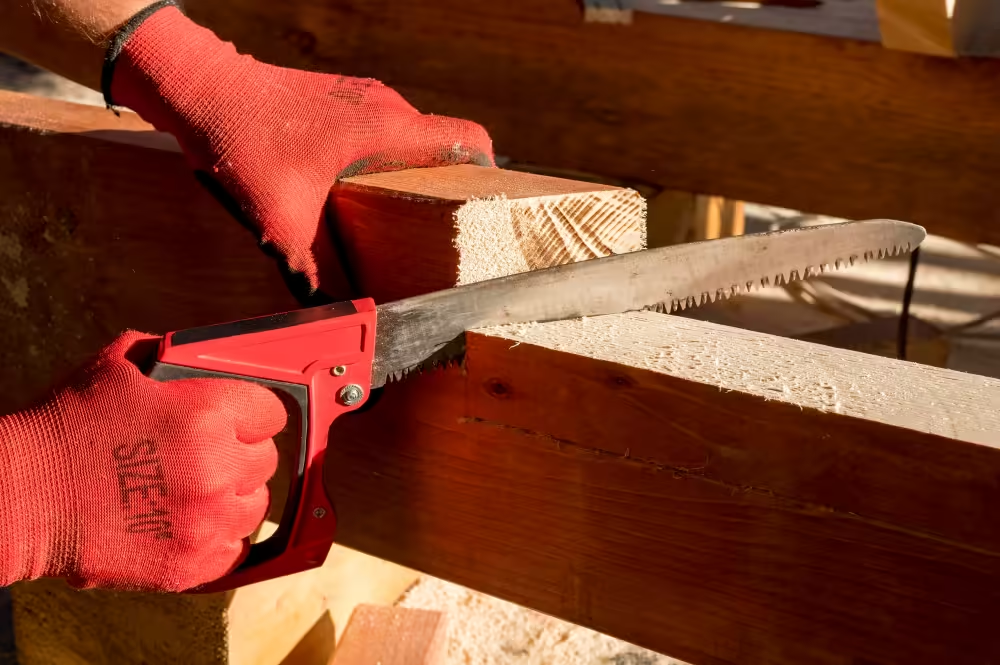
Using dull blades or blades that aren’t suitable for the material is another frequent DIY woodworking cutting mistake. A dull blade struggles to cut efficiently, creating rough surfaces and requiring more force.
Why It’s a Mistake
Dull blades cause more friction, leading to overheating and potential damage to both the blade and the workpiece. An incorrect blade may bind, leading to accidents and poorly executed cuts.
Solution
Regularly check your blades for sharpness, and replace them if they are dull. Choose the correct blade for the material you’re cutting to ensure smooth, clean cuts. Using the right blade for the job can prevent many common DIY woodworking cutting mistakes.
6.Ignoring Safety Precautions
A failure to follow basic safety procedures is one of the most dangerous DIY woodworking cutting mistakes. Not wearing protective gear or improperly using cutting tools can lead to serious injuries.
Why It’s a Mistake
By not using safety equipment, such as goggles, ear protection, and dust masks, you expose yourself to flying debris and harmful noise. Using power tools improperly can lead to accidents and serious injuries.
Solution
Always wear the proper safety gear, including safety goggles, ear protection, and a dust mask. Ensure that the workspace is clean, and follow the manufacturer’s safety guidelines for all tools. These precautions will help you avoid DIY woodworking cutting mistakes and keep you safe.
7.Forgetting to Account for the Blade Kerf
Many DIY woodworkers forget to account for the kerf (the width of the cut left by the saw blade) when measuring and cutting. This is another common DIY woodworking cutting mistake.
Why It’s a Mistake
If you don’t account for the kerf, your pieces may be too wide or narrow, leading to gaps and misalignments. This mistake can affect the overall fit and quality of your project.
Solution
When measuring, remember to account for the blade kerf. Subtract the width of the saw blade from your measurements to ensure that the pieces fit properly. This will help avoid DIY woodworking cutting mistakes and create a better fit.
8.Cutting Without Proper Support for Long Pieces
Long pieces of wood require extra support during cutting. Failing to provide this support is a common DIY woodworking cutting mistake.
Why It’s a Mistake
Without adequate support, long pieces of wood may bend or sag during cutting, leading to crooked cuts and poor alignment.
Solution
Support long pieces of wood on both ends using sawhorses or a stable work surface. This will help maintain the wood’s position during the cut and prevent DIY woodworking cutting mistakes.
Conclusion
By understanding and avoiding common DIY woodworking cutting mistakes, you can achieve more accurate, cleaner cuts in your woodworking projects. Remember to use the right tools, measure carefully, secure your material, and follow safety guidelines. With these simple steps, you’ll reduce the likelihood of mistakes and improve the quality of your woodworking projects.
If you want to learn more about the relevant knowledge and application contents, please click here.
The Ultimate Wood Cutting FAQ for DIYers & Pros
What are the best tools for beginners in woodworking?
Answer: A jigsaw, circular saw, and cordless drill are great for beginners. These tools are versatile and easy to handle.
What is the best way to choose wood for a project?
Answer: Choose wood based on your project’s requirements. Pine is affordable and easy to cut, while oak is durable for furniture.
Why does wood crack when cutting, and how can I avoid it?
Answer: Wood cracks from uneven pressure or cutting too fast. Slow down, use a sharp blade, and support the wood properly.
What are the common safety hazards in woodworking?
Answer: Kickback, flying debris, and tool malfunctions are common hazards. Always wear safety goggles and keep your workspace clean.
How do I choose the right saw blade for cutting wood?
Answer: Use a crosscut blade for cutting across the grain and a rip blade for cutting along the grain.
What are some advanced woodworking tools I should use as I improve?
Answer: You may consider professional machines such as Disc Cutting Machines, Straight-Line Cutting Machines, Four-Process Cutting Machines, Grooving Machines, and Edge Banding Machines.